
Birth and childhood
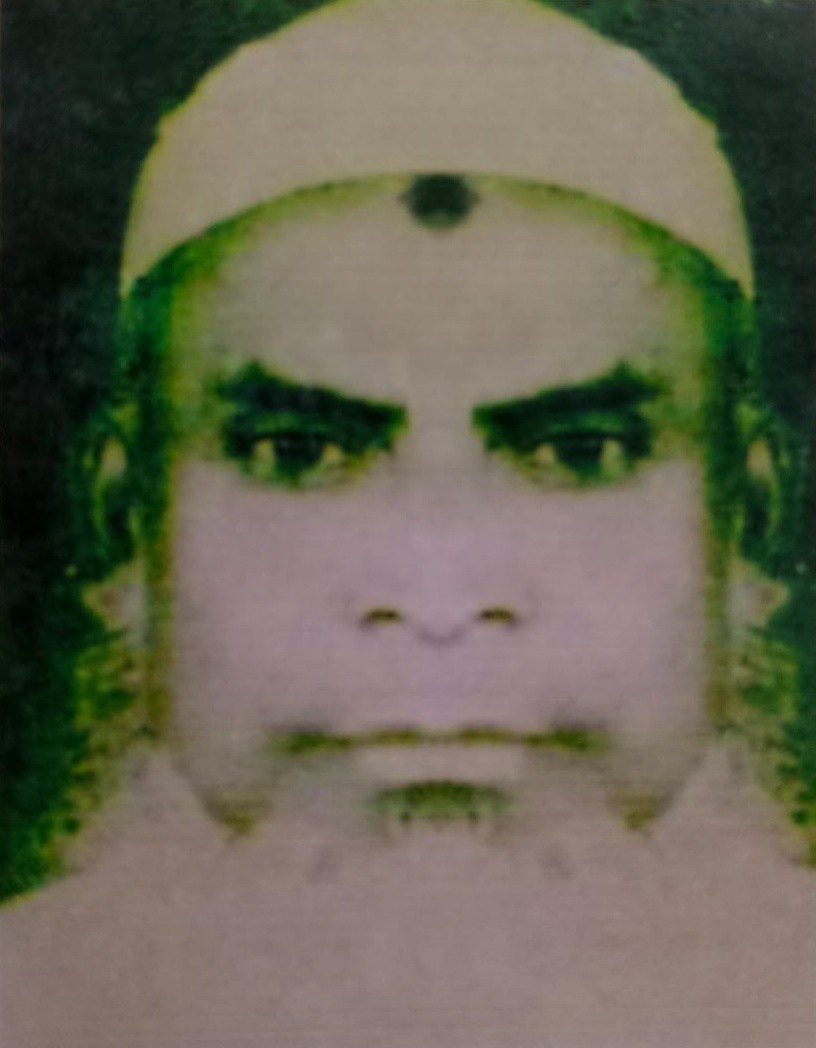
Mawlana Muhammad Amiruddin was born in 1921 CE (1340 AH, in the month of Ashwin, 1328 Bangla) in the village of Maizbhandar, Fatikchhari, Chattogram. His father, Wasi Mia, was a God-fearing man who served the village mosque as imam and caller to prayer without pay. Amiruddin lost his father in early childhood. From a young age he was known as calm, composed and gifted.
Education
In 1352 AH he was admitted to the madrasa of Mawlana Obaidul Haq, widely known as Lal Mia Sahib, in Nanupur bazar. He studied there for seven years, up to the class of Panjum. He then studied at Darul Uloom madrasa in Chattogram city up to the class of Ula. On 5 Shawwal 1363 AH (24 September 1944) he set out for higher studies at Darul Uloom Deoband, where he learned from eminent scholars, among them Shaykh al-Islam Sayyid Husain Ahmad Madani. At the time of his farewell, Mawlana Madani granted him permission to teach Sahih al-Bukhari and other books.
Spiritual training
He pledged spiritual allegiance (bay'ah) to Mufti Muhammad Shafi, Grand Mufti of Pakistan and author of the commentary Ma'ariful Qur'an, and later received his khilafah (authorisation). He used to say that in outward knowledge he had benefited most from Mawlana Madani, and in inward knowledge from Mufti Shafi.
Teaching career
After returning from Deoband he began teaching at the Himayatul Islam madrasa in Nanupur, founded by his teacher Mawlana Obaidul Haq. When that madrasa closed, he joined Babunagar madrasa on 16 Muharram 1376 AH (26 September 1953) and later at a madrasa in Charalia Hat.
Founding the Jamia
In his farewell advice, Mawlana Madani had urged his students to establish madrasas. The closure of his own teacher's institution also moved Amiruddin to build a new one. Although other institutions invited him, he followed the counsel of his friend Mawlana Mahmudul Wali and decided to establish a madrasa himself. The Mufti Sahib of Patiya visited the area and advised that lessons should begin in the prayer house (ibadat khana) of Master Fazlur Rahman, who gladly gave his permission. Classes began there on the morning of Monday, 29 Shawwal 1377 AH (1957 CE). Mawlana Mahmudul Wali, Qari Mawlana Hamed and the devout people of the area supported him in this work.
The early years were marked by hardship and trial. Storms and a fire damaged the madrasa, yet its work did not stop. By 1380 AH it had grown, with a maktab and classes up to Shashum, into a thriving institution of about one hundred and fifty students and five or six teachers. It is known today as Jamia Islamia Obaidia Nanupur.
An example of sincerity
It was Amiruddin himself who brought Qutb al-Alam Shah Sultan Ahmad Nanupuri to the institution. Leaving for his first Hajj in 1380 AH, he handed its management to him, and never hesitated over giving up the directorship. On his return, Amiruddin kept him in that position and himself continued as director of education. People therefore respectfully called him "Nazim Sahib".
Character and scholarship
He followed the Sunnah closely, was devoted to prayer, firm in reliance upon Allah, and humble. He wrote several manuscripts on logic, the law of inheritance and Sufism, which are preserved by his descendants. In accepting donations he paid strict attention to the willingness of the giver and the lawfulness of the money. His wife, too, made great sacrifices in the service of the family and the madrasa despite limited means.
Death
On 24 May 1984, after the dawn prayer, he suddenly fell ill. While under treatment at Chittagong Medical College Hospital, he passed away on the night of Friday, 25 May 1984 (22 Sha'ban 1404 AH). Mawlana Harun, Muhtamim of Babunagar madrasa, led the funeral prayer. He was buried in the family graveyard in his village. He was survived by six sons and five daughters.
May Allah accept his service and grant him the highest Paradise. Amin.